Sober Curious: What Happens When Women Take a Break From Alcohol
A quiet shift is underway: women are drinking less — not necessarily because anything broke, but because the math stopped mathing: the wine that once softened the evening started billing the sleep, the mood, the next morning. The sober curious movement gave the middle path a name — questioning the default without requiring a diagnosis or a forever-pledge. Whether you are eyeing a month off or just a different Friday, here is the honest guide. (If drinking feels beyond your control or stopping causes physical symptoms, that is doctor territory — real support works, and asking is strength.)

Why Women Are Rethinking the Pour
The context nobody toasts to: women’s drinking rose for decades — marketed as wine-mom humor and rosé-all-day empowerment — while research moved the opposite direction: women metabolize alcohol differently (higher blood concentrations per drink, faster health impacts), the supposed heart benefits of moderate drinking have largely collapsed under better studies, and the sleep-anxiety-alcohol loop hits women hardest: the nightcap that fragments sleep, the 3am wake-up, the next-day edge that suggests a nightcap. Sober curiosity is not moral panic. It is a generation checking the receipt.
The Break Timeline (What Actually Improves, When)
The honest schedule from alcohol-free trial research and clinical observation: week one, sleep deepens noticeably once the sedation-fragmentation cycle stops — many women call this the biggest single upgrade; weeks two to three, mornings arrive clearer, skin often improves (alcohol is a dedicated dehydrator), and the 3am anxiety wake-ups thin out; week four and beyond, steadier mood and energy, frequent modest weight shifts (wine calories are stealthy), and the interesting part: measurable drops in liver fat and blood pressure in studies of month-long breaks. Plus the un-chartable one — discovering which parts of your social life were actually fun.
Social Scripts (the Hardest Part, Solved)
The truth every sober-curious woman reports: the drinking is easy to skip; the explaining is not. Pre-load the scripts: I’m not drinking tonight delivered breezily and unapologetically covers 90% of cases — the calmer the delivery, the faster the subject changes; I’m doing a health month works for persistent aunts; and holding any drink — soda-lime, an actual mocktail — quietly deletes most questions before they form. The deeper move: suggest the plans yourself (the hike, the brunch, the pottery class) and notice which friendships translate off-menu. Most do. The information from the ones that do not is also valuable.
Mocktails That Earn the Glass (Not Juice in a Costume)
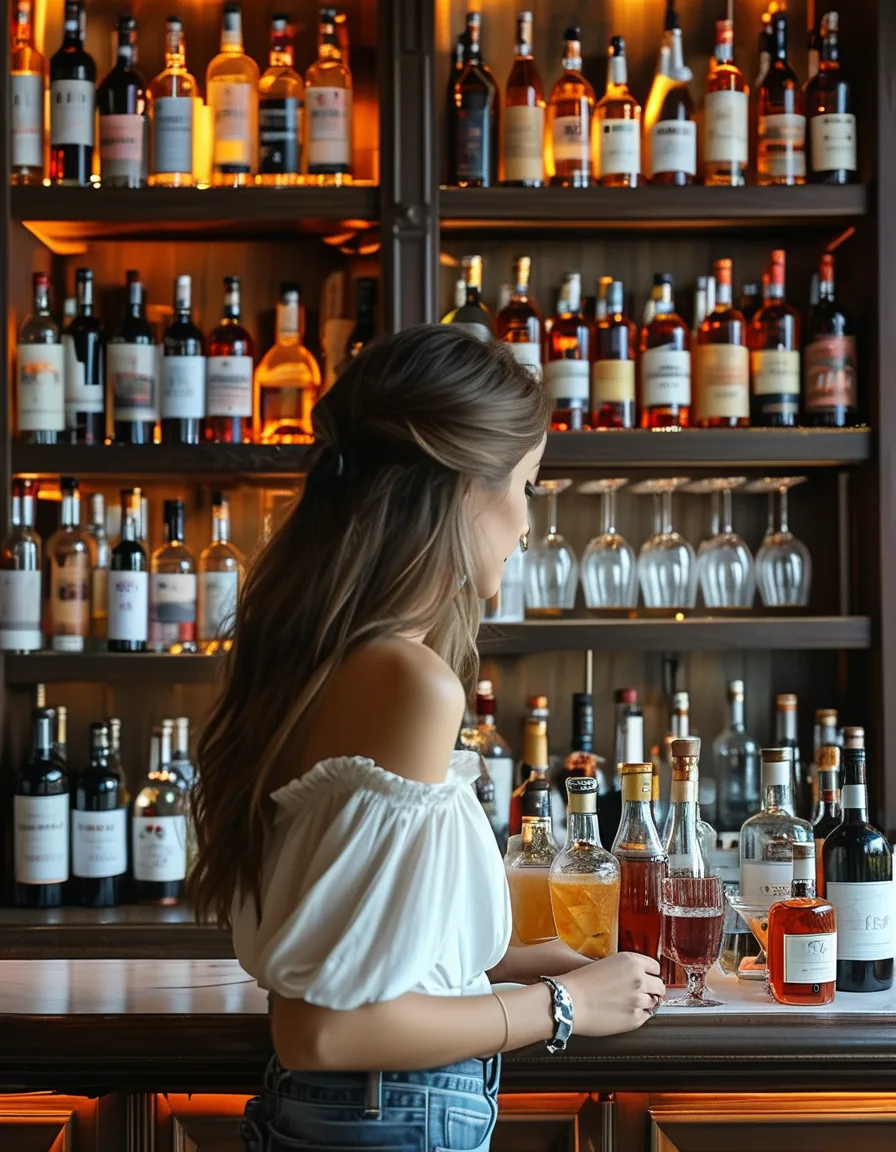
The alcohol-free drink scene finally grew up: bitterness and complexity — what adult palates actually miss — are now buildable at home. The house list: a spicy ginger-lime mule in the copper mug (all ceremony, zero rum), soda with real bitters and orange (technically trace alcohol in dashes — the classic gateway sip), the 50/50 tonic and grapefruit with rosemary, an espresso tonic for dinner-party theater, and any of the legitimate non-alcoholic spirits and hop waters now stocked at normal stores. The glassware is doing psychological work — use the good one. Ritual was always half of what the wine provided.
After the Experiment (There Are No Wrong Answers)
The month ends, and the sober curious framing shows its wisdom: there is no pass-fail. Some women return to drinking less and differently — the two-drink dinner, minus the autopilot weeknight glass; some extend indefinitely because the sleep is simply too good to refund; some learn precisely which situations were using alcohol as social scaffolding and renovate those instead. The one universal recommendation: journal the month — energy, sleep, mood, cravings, awkward moments survived — because the data will out-argue both the wine industry and your own nostalgia. Curiosity was the point. Keep whatever it taught you.
Sober curiosity, distilled: a pause, not a pledge — run the experiment, arm yourself with two breezy scripts and one great mocktail, and let four weeks of real sleep make the closing argument. Whatever you decide afterward, you will decide it awake, informed and un-defaulted. That was the whole point. Cheers — the glass is optional, the clarity is not.
Keep Reading
This article is for general informational purposes only and is not medical advice. Always consult a qualified health professional for guidance specific to you.