The Zero-Proof Home Bar: Stocking Shelves That Make Skipping Easy
The evening drink ritual was never really about ethanol — it was the glass, the pour, the transition marker. The zero-proof home bar keeps the whole ceremony: NA spirits (some genuinely good now), real glassware and the five-bottle starter shelf that makes skipping effortless.

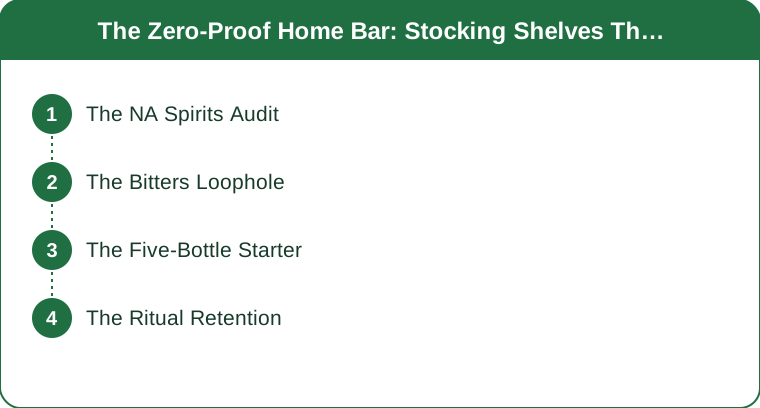
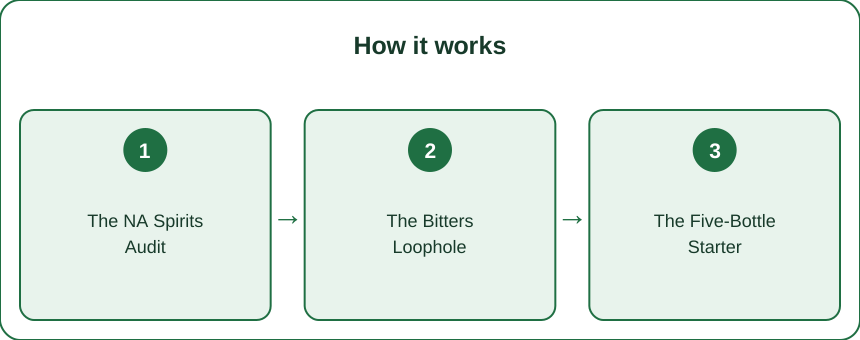
The NA Spirits Audit
The category matured unevenly: NA gins and aperitif-styles lead (botanical complexity survives de-alcoholization best — the bitter Italian-style aperitifs are the standouts), NA whiskeys trail (the burn is the hard part), and hop waters and NA beers hit genuinely credible. Buy singles before bottles; palates vary and the category rewards sampling.
The Bitters Loophole
Cocktail bitters (technically trace-alcohol at dashes — the individually-negotiable footnote) carry entire drinks: soda-bitters-orange is the oldest ‘adult drink without the drink’ in the book. The alcohol-free-strict version: the growing shelf of glycerin-based NA bitters closes even that gap.

The Five-Bottle Starter
The shelf: one NA aperitif (the spritz engine), one NA gin (the tonic partner), good tonic and soda (the bar’s actual workhorses), a ginger beer (the mule franchise), and the garnish drawer (citrus, herbs from the windowsill guide’s pots). Total cost: two rounds at a bar; total evenings covered: all of them.
The Ritual Retention
The bar’s real product is the ceremony: the good glass (the etiquette guide’s psychology, home edition), the deliberate build, the 6pm marker preserved intact. Hosting benefits double — the guest who isn’t drinking finds a real menu instead of tap water, and the host who isn’t finds nobody noticed. The ritual survives the swap completely; it was always the load-bearing part.
Aperitifs lead the category, bitters carry the classics, five bottles cover the calendar. The evening pour was ceremony all along — the zero-proof bar just keeps the ceremony and returns the mornings.
Keep Reading
This article is for general informational purposes only and is not medical advice. Always consult a qualified health professional for guidance specific to you.